Block Burst, 2048 Lines or Puzzle Trouble when the pressure rises
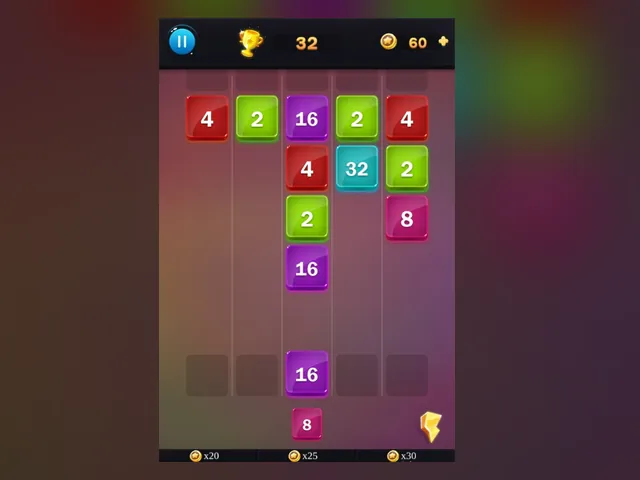
The most relaxed-looking puzzle of the three is the one with a wall that never stops. 2048 Lines shows numbered cubes in tidy columns, yet a field of cubes slowly descends while you work. If you want a puzzle that keeps moving while you think, the question is what kind of movement suits you.
Two other games apply pressure in different ways: Block Burst Puzzle Zenith raises its levels, and Puzzle Trouble closes in with a red zone.
Three kinds of pressure
Block Burst Puzzle Zenith
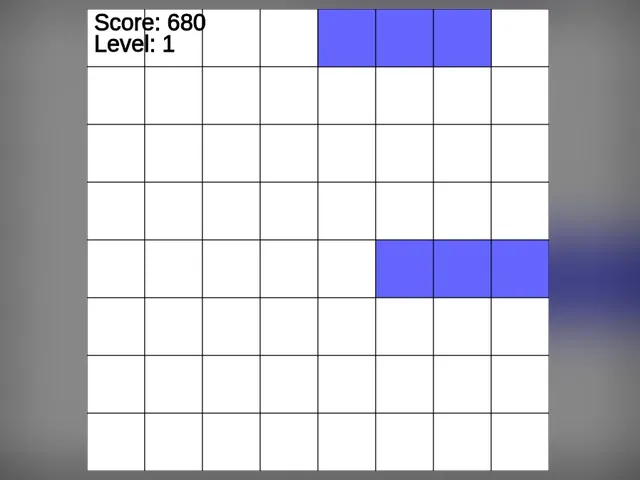
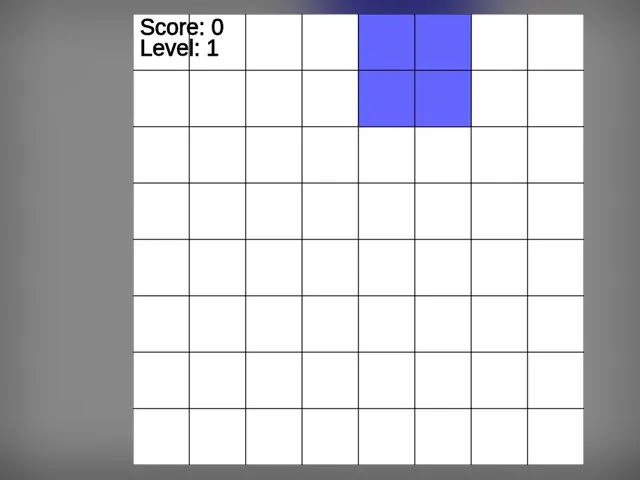
You stack coloured blocks so that matching colours end up together in clusters. Each cluster triggers a burst of light and sound and adds to your score. The Score and Level counters show whether your last move paid off.
Pressure here comes from the levels. As they climb, the difficulty climbs with them, so tidy habits from the first minutes matter later. The presentation is plain, with a white grid, which keeps your attention on colour and position.
2048 Lines
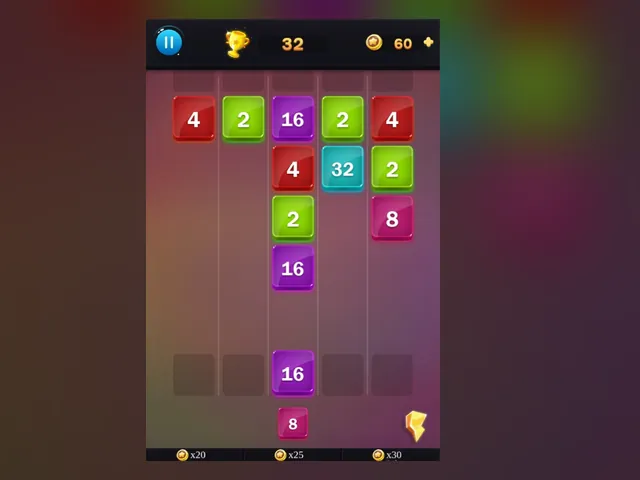
Play happens on a 5x5 grid. You control a numbered cube and send it toward the descending field. When it meets a neighbouring cube in a row or column, their values add together, so two cubes of 2 become a 4.
A round is over once a cube from the descending wall touches the bottom. A pause button at the top of the screen lets you stop and read the board, and you send each new cube toward the wall.
Puzzle Trouble
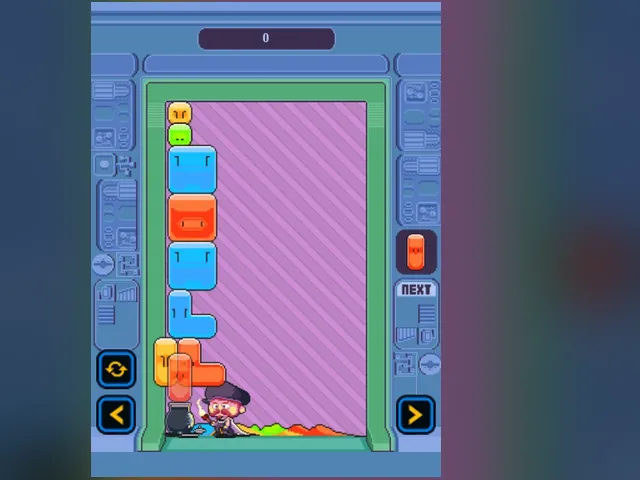
Blocks arrive one at a time, and a box shows the next piece. You use the controls to position the current block. Matching lines makes room and shrinks the red zone.
Red zone pressure only goes one way. It closes in, which makes early line clears worth more than late ones. The score at the top of the screen gives you a number to beat on the next attempt.
None of the three waits for you in the same way, which is why a simple ranking does not help. What matters is whether you prefer a goal that grows harder, a threat you can watch approach, or a limit that shrinks as you play.
Side by side
| Game | What pushes you | Your move | Session |
|---|---|---|---|
| Block Burst Puzzle Zenith | Rising levels | Place a block by colour | Short runs |
| 2048 Lines | Descending wall | Pick a spot for a cube | Short or longer |
| Puzzle Trouble | Closing red zone | Position blocks | Short rounds |
Notice what each game lets you do about the pressure. Block Burst Puzzle Zenith lets you slow down on your own, because tidy placement keeps the grid open. 2048 Lines gives you a pause button for reading the board. Puzzle Trouble answers pressure by clearing lines early.
Which pace suits you
If you like colour and a clear loop
Block Burst Puzzle Zenith offers the simplest cycle: form a cluster, hear the burst, watch the score climb. It asks for agility and precision, and the rising levels give you a reason to go again for a better total. Decide the colour before the position, and keep some of the grid open so a block always has somewhere to go.
Slow down when the Level number changes. A quick run shows you how the blocks behave, which makes short sittings a good fit.
If you like arithmetic with a hint of speed
2048 Lines suits players who enjoy number puzzles and do not mind a clock-like push. Match equal values first, because two equal cubes join into the next number up. Keep small numbers close together so they can merge in chains, and watch the descending wall more than your own cube.
It works for a short break, and longer sessions are fine if you enjoy chasing a higher score. Pause whenever the board gets hard to read.
If you like quick decisions and a score to beat
Puzzle Trouble is built around placement. The whole game is about where and how each block lands. Check the next piece box before you place the current block, and keep the stack even so new blocks have room to land.
Rounds are quickly over and the next attempt begins right away. Look at the gap before you move a block into it, so it lands where you intend.
Habits that carry across all three
- Look at what is coming next before you place anything.
- Keep the board open so new pieces have room to arrive.
- Read the score or counters after each move to see what paid off.
- Treat a short sitting as enough, since each rewards a quick second attempt.
A practical recommendation
For the gentlest pressure, start with Block Burst Puzzle Zenith, where levels rise gradually and the white grid keeps things calm. If you want the push to be visible, pick 2048 Lines, since you can see the wall coming and can pause to read the board. Choose Puzzle Trouble when you want brief rounds and a red zone that rewards early line clears.
Unsure? Try Puzzle Trouble for one round to learn how lines and the red zone interact, then move to 2048 Lines if you would like a pause button within reach.