How difficulty rises in puzzle games and how to prepare for it
Most puzzle games begin gently. The first board is small, the first picture is forgiving, and nothing is asked of you beyond learning the controls. Then the difficulty starts to climb. It can feel like a wall, but it is usually a staircase, and the habits you build on the early steps decide how the later ones feel. This guide looks at four games that get harder in four different ways and suggests how to prepare for each.
Four ways a puzzle gets harder
- More levels, with rising difficulty. Each level asks a little more than the last.
- More intricate boards. The rules stay the same, but the number of things to track grows.
- Gradually tougher pictures. The picture itself becomes harder to read as you progress.
- Tougher levels that grow alongside your skill. The challenge builds step by step.
Level after level in Jixora
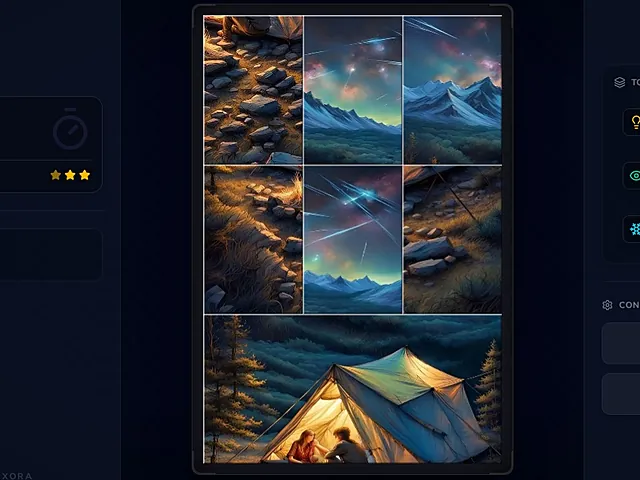
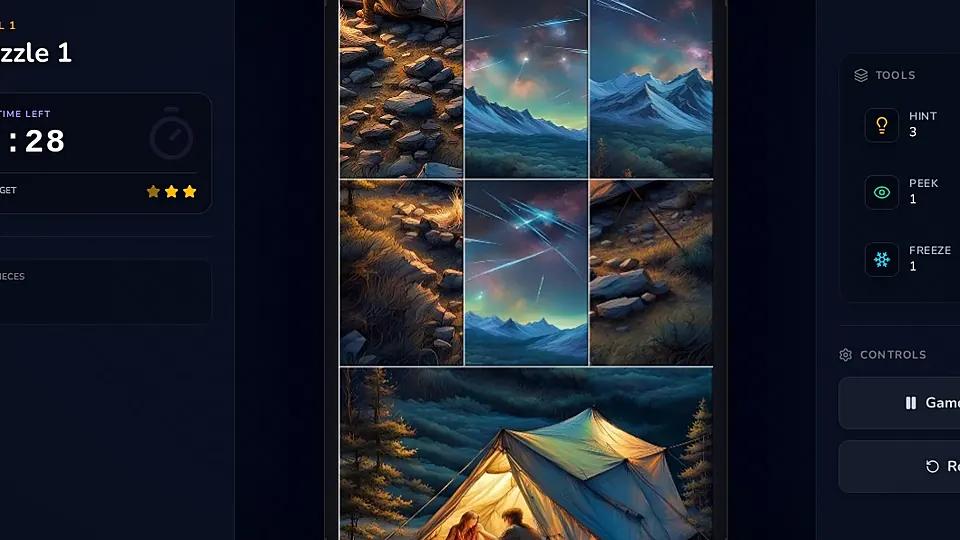
Jixora – Jigsaw Solitaire Puzzle has 100 levels of rising difficulty, and a Free Play mode with custom grid sizes can be unlocked for replaying favourites. Each level has a timer counting down, a star target that falls as time runs out, and three tools you can call on: Hint, Peek and Freeze.
Here the ramp is built into the structure. You are not only solving a bigger picture, you are also working against a clock that matters more as the pieces multiply. Adjacent pieces that belong together snap and lock, which helps you see progress as the grid fills.
How to prepare
- Study the whole picture before touching anything, as the mountains and the tent give clear landmarks.
- Use Peek once early to fix the layout in your mind, then rely on memory.
- Save Freeze for the last seconds, when the clock is nearly out.
- Look for adjacent pieces that match, since those snap and lock into place.
More intricate boards in Zero Out Puzzle
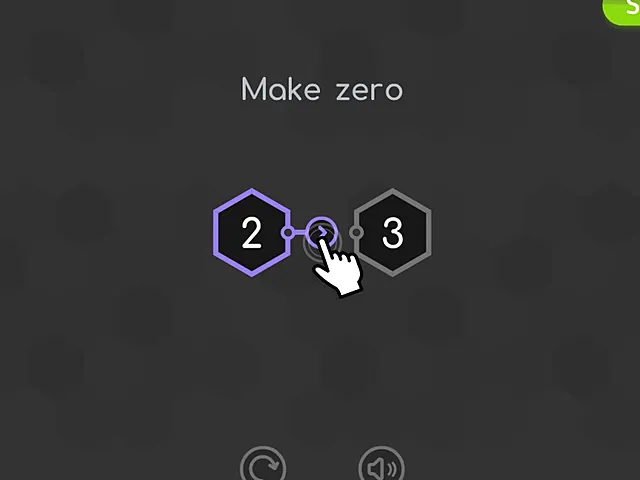
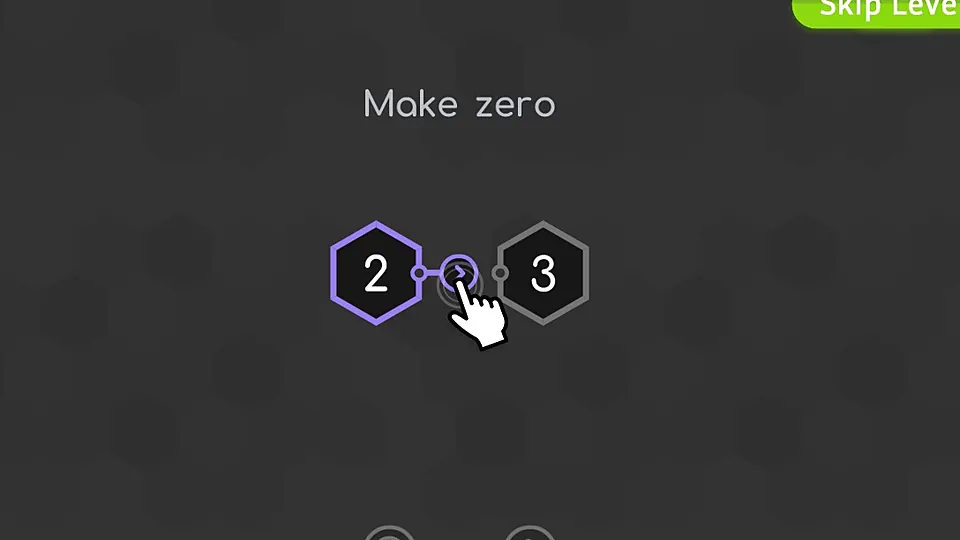
Zero Out Puzzle asks you to bring numbers down to zero, with the catch that a move also changes the blocks beside it. Early on you meet a lone pair, a 2 and a 3 linked by a small arrow, with the words Make zero as a hint. Later boards grow more intricate, so the order of your moves starts to matter.
The rule never changes. What grows is the number of blocks that each press affects, which makes a mistake more costly. You press the arrow between two blocks with a mouse click or a tap, and a restart button resets the current board if it ends up in a tangle.
How to prepare
- Work out what a press will do before you make it, because the neighbours are part of the sum.
- Start with the block that has the fewest neighbours, since a move there disturbs less of the board.
- Slow down on the more intricate boards and look a couple of moves ahead.
- Keep an eye on the highest numbers too, so none gets left behind.
Gradually tougher pictures in Kawaii Unicorn Jigsaw Puzzles
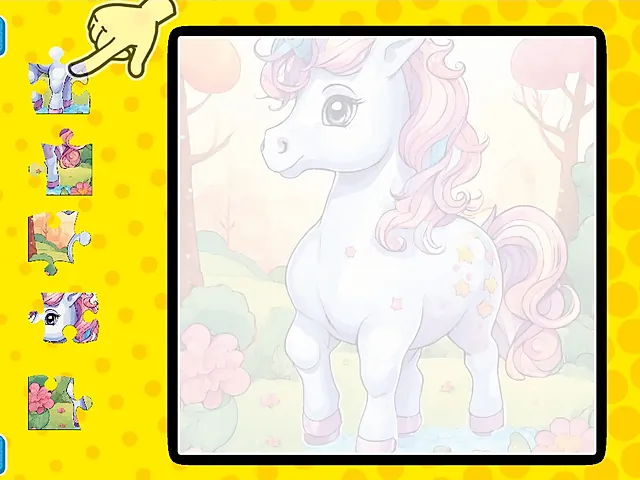
Kawaii Unicorn Jigsaw Puzzles starts with a faded unicorn picture in the middle of the screen, with loose pieces waiting in neat columns on the left and right. Over time the challenges get gradually tougher, so the first few pictures are a gentle warm-up before the tiles ask for more attention.
The ramp is soft here. The controls stay the same, and the faded picture remains your reference throughout. What changes is how much care each placement needs.
How to prepare
- Look for the edge pieces early, since they give the picture its outline.
- Sort the pieces by colour in your head, since the vibrant tiles make colour a useful clue.
- Work outward from the pieces you have already fitted rather than jumping around.
- Take a short pause between pictures if the faded tones start to blur together.
Levels that grow alongside your skill in Sorcerer Jigsaw Puzzles
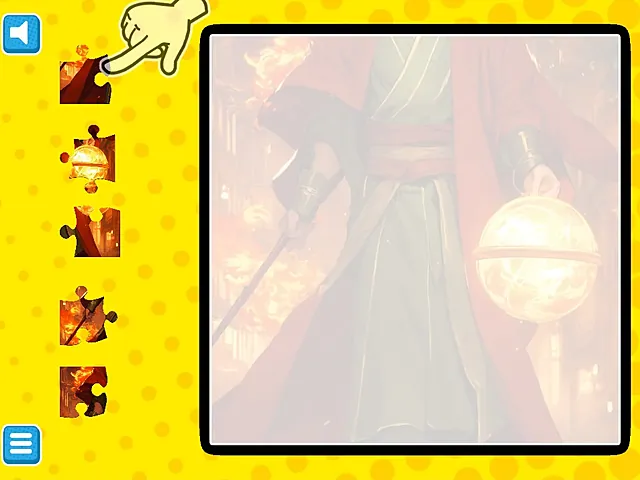
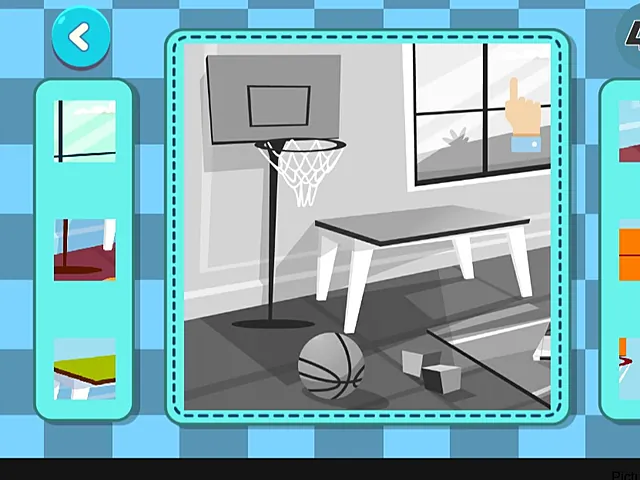
Sorcerer Jigsaw Puzzles shows a robed figure with a glowing orb, drawn faintly inside a square frame, with pieces waiting in two columns at the sides. The controls are easy to learn, and the levels grow tougher as you go, so the challenge builds alongside your own skill.
Because the controls are simple, almost all of your attention goes to the picture. That makes the tougher levels a question of reading shapes more carefully, not of learning anything new.
How to prepare
- Compare tabs and gaps before colours, since the shapes are the clearest guide.
- Begin with pieces that have a distinct feature such as the glowing orb.
- Work outward from a spot you have already filled, since neighbours are easier to confirm.
- Leave the plainest pieces until the area around them is filled.
The four ramps side by side
| Game | What rises | Best early habit |
|---|---|---|
| Jixora | Levels and the clock | Study the whole picture first |
| Zero Out Puzzle | Board intricacy | Check the neighbours |
| Kawaii Unicorn Jigsaw Puzzles | Picture difficulty | Edge pieces first |
| Sorcerer Jigsaw Puzzles | Level difficulty | Compare tabs and gaps |
Habits that carry across every ramp
Use the easy stages as practice
The first levels are the cheapest place to practise a method. If you build the frame first, sort by colour or check the neighbours before every move while it is easy, the same method will already be automatic when it is hard.
Change one thing at a time
When a stage feels harder, change one habit rather than everything at once. Slow down, or plan one more move ahead, or sort a little more carefully. That makes it clear what helped.
Step back when you stall
A fresh look often reveals what you passed over. A short pause between pictures or boards costs a few seconds and often saves minutes.
A simple practice routine
If you want to be ready before the harder stages arrive, spend your first few sittings on one habit per game rather than on speed. In Jixora, practise studying the picture before you touch a piece. In Zero Out Puzzle, practise saying out loud what a press will change before you make it. In the two unicorn and sorcerer jigsaws, practise starting from the edges and working outward from what you have already fitted.
Then repeat the same habit on a harder stage and notice what changes. Usually the habit still works, but it takes a little longer, and that extra time is the price of the extra difficulty. Knowing that makes a harder stage feel like a normal part of the game and not a sign that something has gone wrong.
It also helps to decide in advance what you will do when a stage stalls you. Pausing, looking at the whole picture again, or trying a different order of moves are all small, cheap responses. Having one ready means you reach for it calmly instead of forcing the same failing move again.
Frequently asked questions
Which of these ramps up fastest?
Jixora has the most structure, with 100 levels of rising difficulty and a clock on each one. Kawaii Unicorn Jigsaw Puzzles and Sorcerer Jigsaw Puzzles build more gradually.
What should I do if a Zero Out Puzzle board turns into a tangle?
Try a different order of moves. A restart button resets the current board, so you can see how the same board behaves with another order.
Are the tools in Jixora worth saving?
They are most useful at specific moments. Use Peek once early to fix the layout in your mind, and keep Freeze for the last seconds when the clock is nearly out.