Block Burst Puzzle Zenith
Think of tidying a bookshelf by colour. You nudge things around until the same shades sit together, and the shelf starts to look calmer.
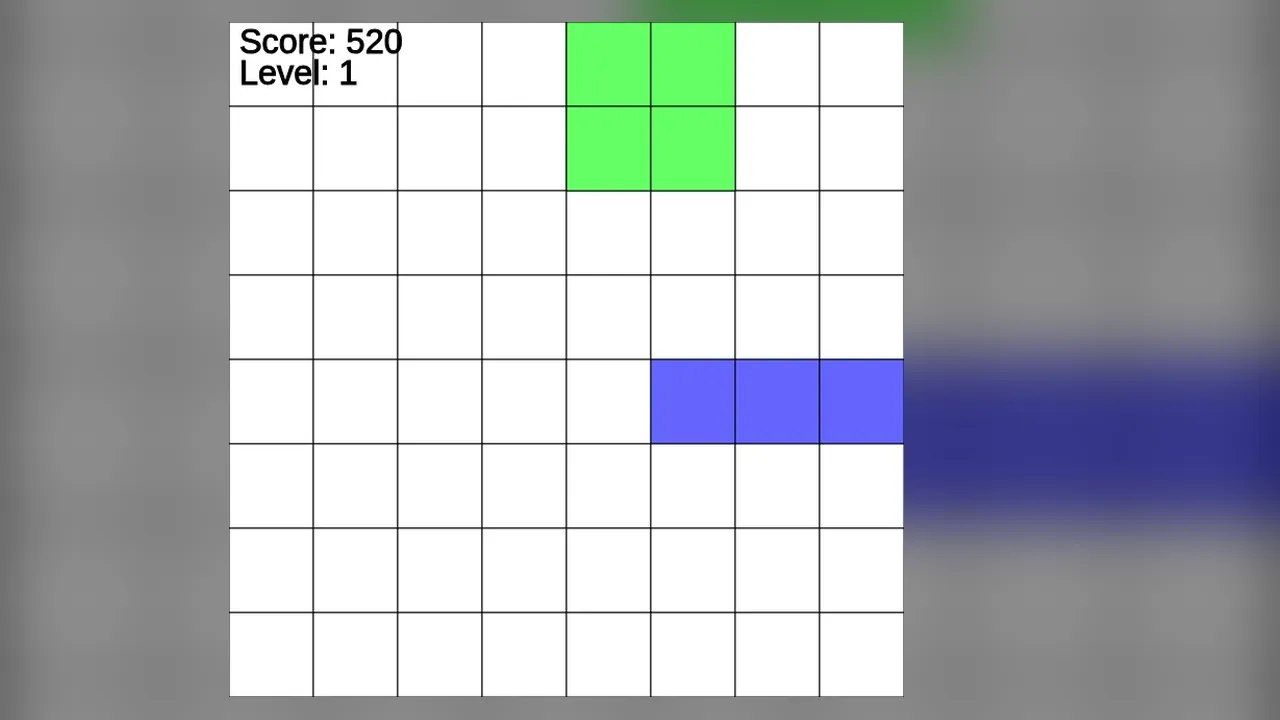
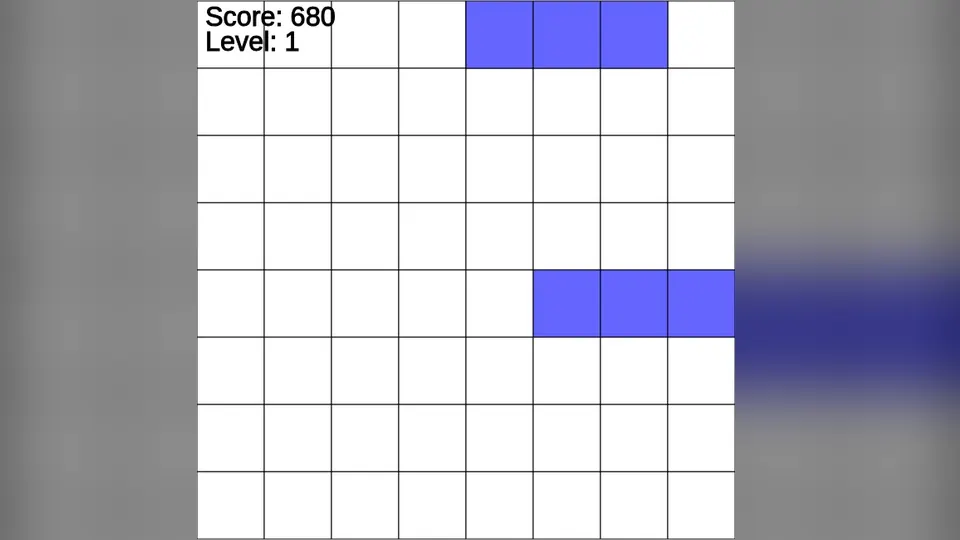
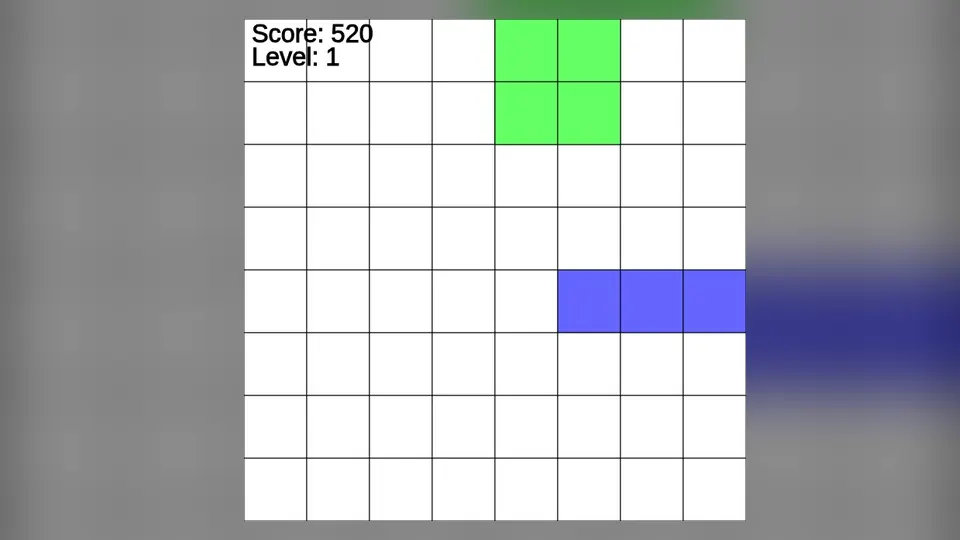
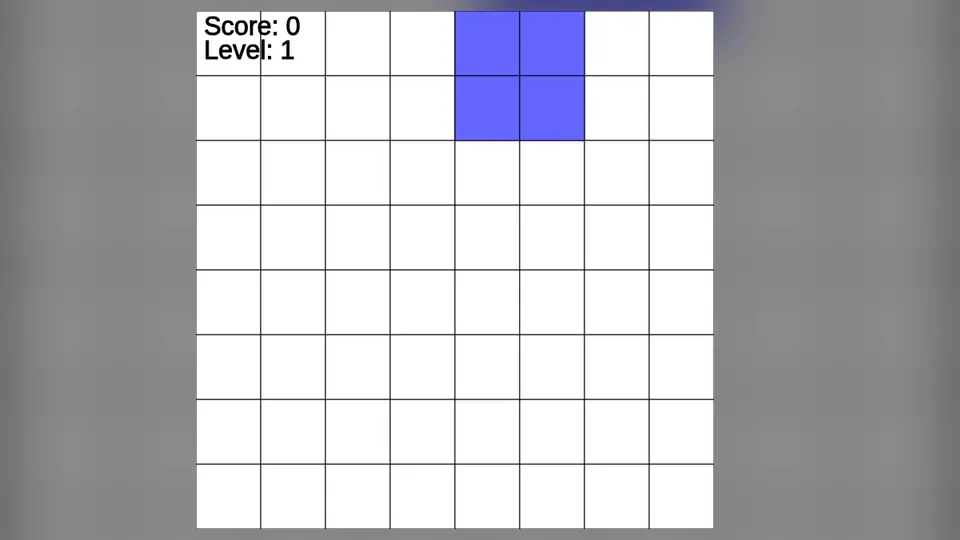
Block Burst Puzzle Zenith runs on that same instinct. Coloured blocks, blue and green among them, sit on a plain white grid, and you arrange them so that matching colours gather into clusters. A cluster sets off a burst of light and sound, and the Score counter moves up. A Level counter starts at 1 and shows how far along you are.
Difficulty rises as levels go on, and the game asks for agility and precision. Quick hands matter, but so does placing a block where it joins a colour you already have. The look is bare, with a plain white grid and coloured blocks, so the board is easy to read.
How to play
A round goes well when blocks of the same colour end up together in clusters, because each cluster triggers a burst of light and sound and adds to your score. Keep an eye on the Score and Level counters, since they show whether your last move paid off. As the levels climb, the difficulty climbs with them, so tidy habits from the first minutes matter later.
- Look at the colour of the block in play before you decide where it goes.
- Place it next to blocks of the same colour to build a cluster.
- Leave some open space on the grid, so you keep more choices.
- Chase a higher score, and then the next level.
Tips
- Plan the colour before the position: decide which cluster a block will join, then move it there.
- Keep some of the grid open so that a block always has somewhere to go.
- Watch the Score counter after each move to learn which placements trigger a burst.
- Slow down when the Level number changes, because the difficulty rises from there.
Screenshots
Our take
The plain presentation is the clearest limitation: a white grid and two counters give you little to look at, so the first few moves are about learning how the blocks behave. Still, anyone who enjoys colour matching and block stacking will find a clear loop here. Form a cluster, hear the burst, watch the score climb. The game asks for agility and precision, and the rising levels give you a reason to go again for a better total. A short run is enough to see where your placement went wrong.
Common questions
How does scoring work?
A Score counter starts at 0 and rises as you form clusters of matching colours, which set off bursts of light and sound. The aim is to keep building clusters for a higher total.
What should I do when I feel stuck?
Look for a colour group already on the grid that you can extend instead of starting a new one. Keeping open space on the grid also gives you more choices for the next block.
Who will enjoy it?
Anyone who likes block stacking and colour matching. The screen is simple, the Score and Level counters show how you are doing, and the difficulty rises with the levels.